
From Tetris to 2048: How Puzzle and Casual Games Took Over
Short answer: The most-played games in history are not epic adventures but small puzzles: Tetris (1984), Windows Solitaire (1990) and Minesweeper, Snake on Nokia phones (1997), Sudoku (a newspaper craze from 2004) and phone and browser games such as 2048 (2014). They spread because they came free with something people already owned, could be learned in a minute and fitted into a coffee break. Many of them started as one person's side project.
- The first video games (1947–1962)
- The arcade golden age (1971–1982)
- Video games come home (1972–1989)
- From Tetris to 2048: puzzle and casual games (you are here)
The first three parts of this series followed the loud side of gaming: arcades, consoles and the companies that fought over them. Running alongside that story is a quieter one. It is the history of games played on office computers, phones and newspaper pages, often by people who would never call themselves gamers. Measured by the number of people who have played them, these are the most successful games ever made.
The 1970s: PLATO, the network before the internet
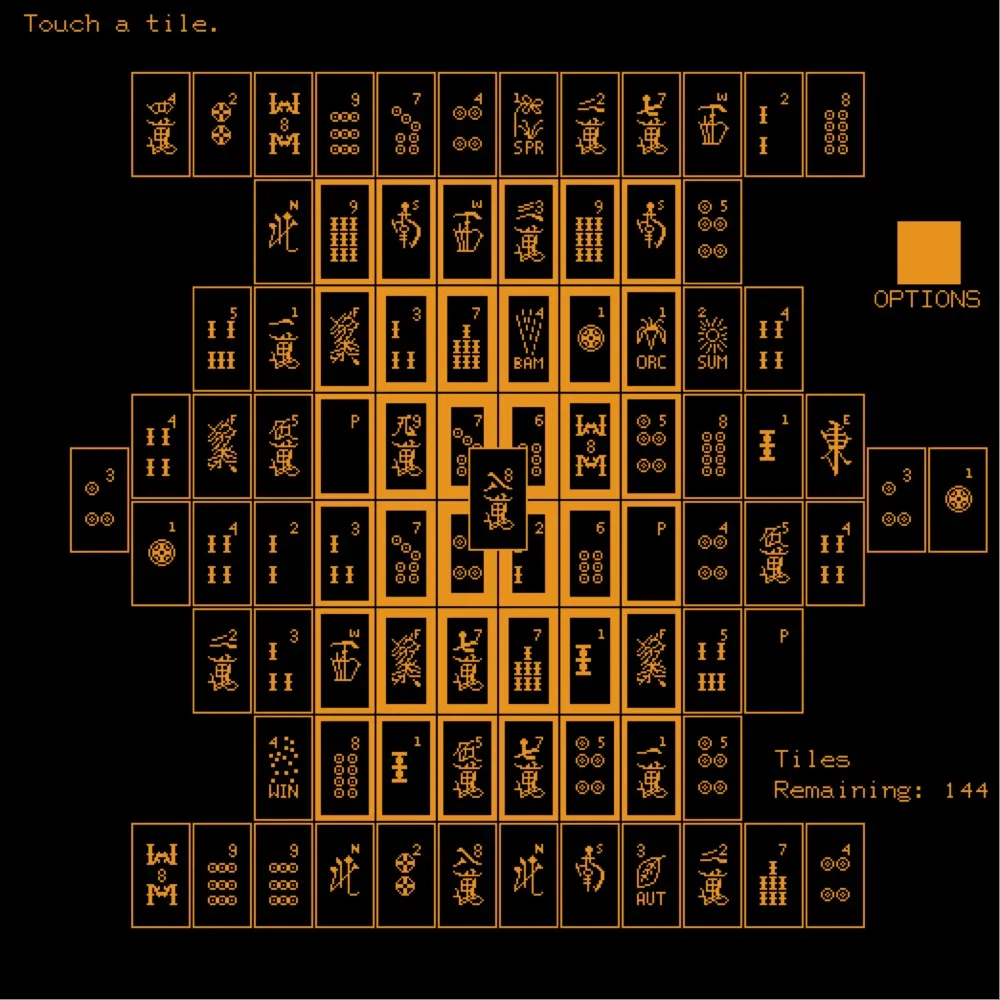

PLATO was a computer teaching system developed at the University of Illinois from 1960. By the 1970s it connected hundreds of terminals with touch-sensitive orange plasma screens, and its users used it for far more than lessons: chat, message boards and many games, including some of the first multiplayer games. Two puzzle classics were born there. Paul Alfille wrote FreeCell for PLATO in 1978, and in 1981 Brodie Lockard created Mah-Jongg, the solitaire game of matching pairs of free tiles from a stacked layout. Activision brought it to home computers in 1986 as Shanghai, and it has been a favourite ever since. You can play both here: Mahjong and FreeCell.
1984: Tetris
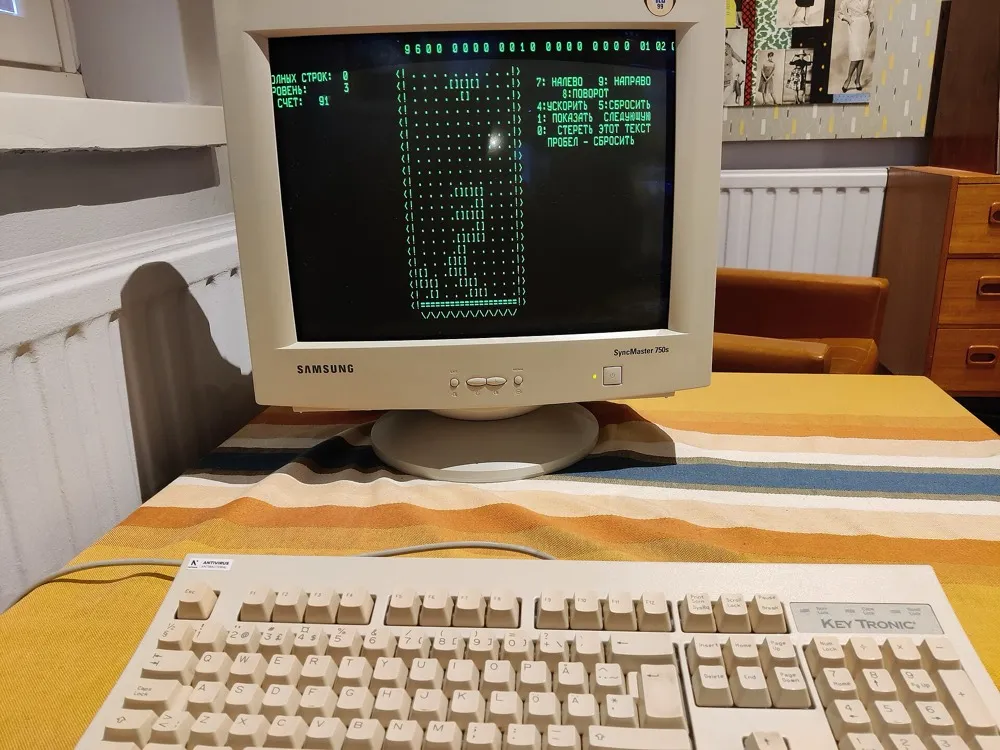

In June 1984 Alexey Pajitnov, a researcher at the Dorodnitsyn Computing Centre of the Soviet Academy of Sciences in Moscow, wrote a puzzle game to test a new computer, the Electronika 60. The machine could not draw graphics, so the falling shapes were made of text characters. Each shape was made of four squares, a "tetromino", and Pajitnov combined that word with his favourite sport, tennis, to name the game Tetris.
His colleagues could not stop playing it, and copies spread on floppy disks to PCs across Eastern Europe and then the West. What followed was one of the most tangled stories in the business: Western companies sold rights they did not properly own, and the Soviet state organisation that controlled the game licensed it more than once. Designer Henk Rogers eventually secured the handheld rights for Nintendo, and Tetris was packed with the Game Boy in 1989. As a Soviet employee, Pajitnov earned nothing from his game for years; only in 1996 did he and Rogers set up The Tetris Company and he began to receive royalties.
Two years earlier, in 1982, Hiroyuki Imabayashi had created another lasting puzzle in Japan: Sokoban, in which a warehouse keeper pushes boxes onto targets. It is the ancestor of our Box Pusher.
1990–1992: Solitaire and Minesweeper on every office PC
When Microsoft released Windows 3.0 in 1990, many office workers had never used a mouse. The system came with Solitaire, the Klondike card game written by a summer intern, Wes Cherry, with card designs by the artist Susan Kare. Dragging a card onto a pile was the perfect way to practise dragging with a mouse, and it worked so well that Solitaire became one of the most used programs on Windows. Cherry was not paid any royalties for it.
Minesweeper, written by Robert Donner and Curt Johnson, first appeared in a Microsoft Entertainment Pack and was included with Windows 3.1 in 1992. It taught the difference between left and right clicking, and it turned out to be a deep logic puzzle: most moves can be worked out with certainty instead of guessed. Later versions of Windows added FreeCell, in which only one of the original 32,000 numbered deals, game 11982, cannot be solved, and Spider Solitaire. For many people these four games were their first experience of a computer, and a reason to keep going back to it.
All four are on this site, free and without installation: Solitaire, Minesweeper, FreeCell and Spider Solitaire. If the numbers in Minesweeper still look like luck, start with what the numbers mean.
1997: Snake on a Nokia
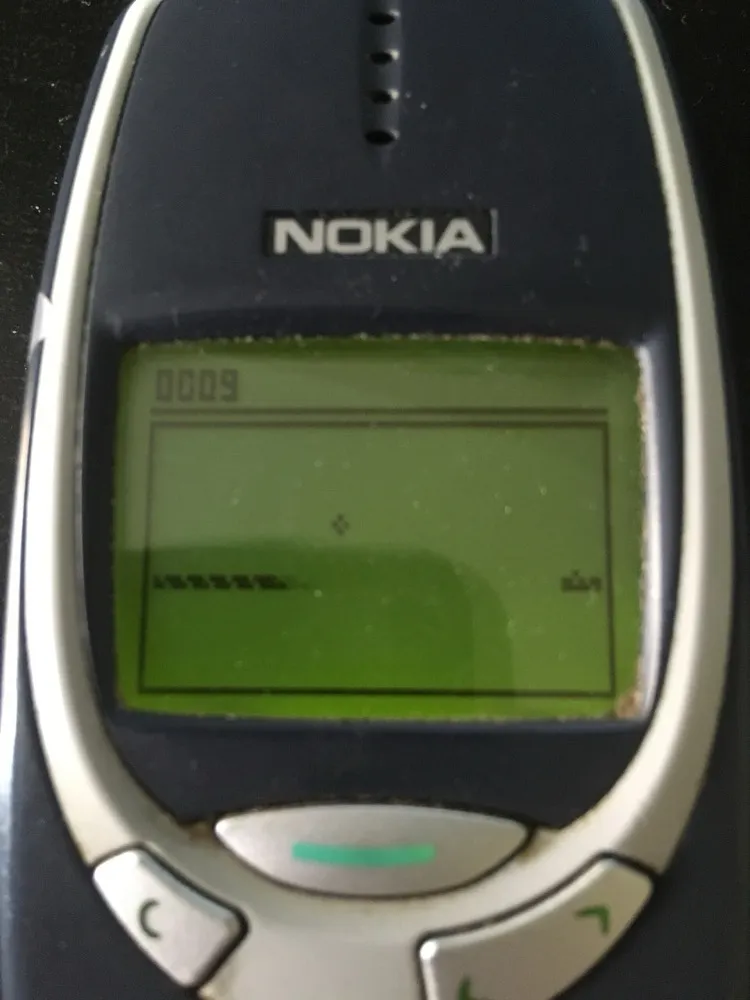

The idea of steering a line that grows behind you is old: in the 1976 arcade game Blockade, two players each tried to make the other crash into a wall or a trail. In 1997 Nokia engineer Taneli Armanto put a one-player version, Snake, on the Nokia 6110. Eat a dot, grow longer, do not bite your own tail. Because it came preinstalled on a phone that people carried everywhere, it became one of the most played games in the world almost overnight, and Snake II on the Nokia 3310 (2000) kept it going. Our Snake keeps the same rules; the Snake tips show how to avoid trapping yourself as you grow.
Puzzles in print: Sudoku and nonograms
Not every casual craze needed a screen. Sudoku was first published in 1979 by the American puzzle magazine Dell as "Number Place", created by Howard Garns. The Japanese publisher Nikoli adopted it in 1984 and gave it the name Sudoku. Twenty years later, Wayne Gould, a retired judge from New Zealand living in Hong Kong, wrote a program to generate the puzzles and persuaded the London newspaper The Times to print them in November 2004. Within months Sudoku was in newspapers around the world. Picture logic puzzles, known as nonograms, have a similar story: they were invented in Japan in the late 1980s and became popular through magazines and, later, handheld games. Play Sudoku or Nonogram, or learn the solving methods in how to play Sudoku.
1996–2020: games in the browser
From the late 1990s, the web became a giant arcade. Macromedia Flash, released in 1996, let anyone draw animations and write small games that ran inside a web page. Sites such as Newgrounds and Miniclip collected thousands of them, and many well-known game designers got their start making free Flash games. Flash, however, needed a plug-in that had frequent security problems and drained batteries. Apple never allowed it on the iPhone, and Adobe ended support for it on 31 December 2020.
Its place was taken by HTML5 and JavaScript, which every browser understands without any plug-in. That is the technology behind this site: the games run directly in the page, on a phone or a computer, without downloads. Even Google's famous dinosaur, which appears in Chrome when you lose your internet connection, is a small browser game of this kind. We explain the advantages in browser games vs app downloads.
2007 onwards: smartphones
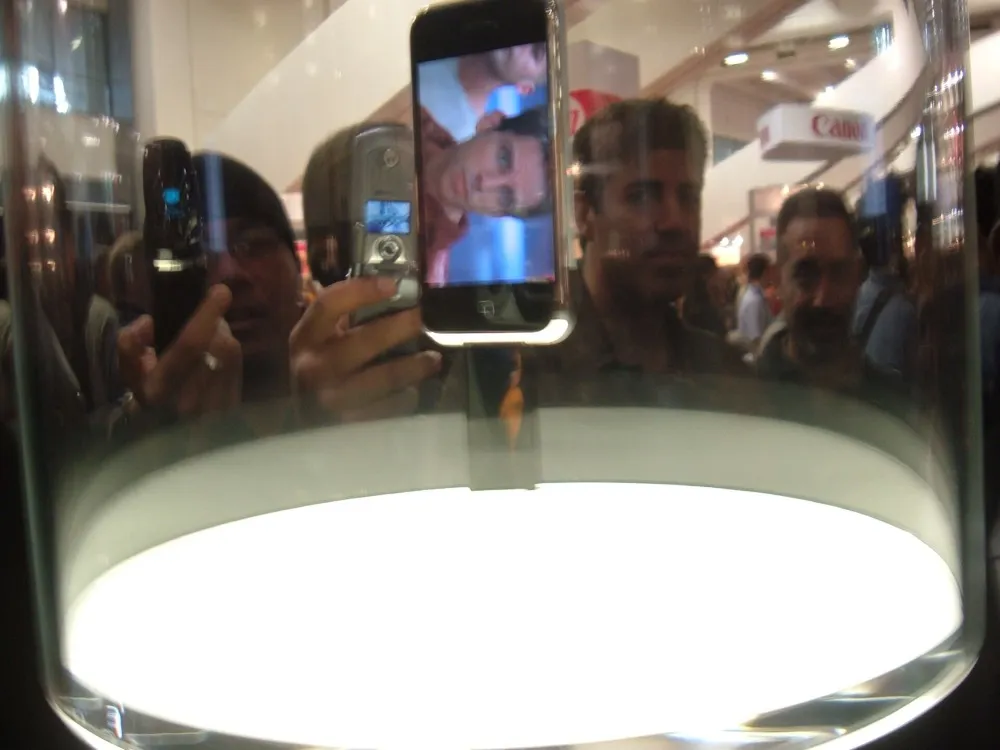

The iPhone, shown in January 2007, and Apple's App Store, which opened in July 2008, changed casual games again. A touch screen and a motion sensor meant games could be controlled by tapping, swiping and tilting, and a store in every pocket meant one developer could reach millions of players. Hits followed quickly: Doodle Jump and Angry Birds in 2009, Flappy Bird in 2013 (removed from the stores by its own creator, Dong Nguyen, in February 2014 at the height of its popularity). Android phones brought the same games to an even larger audience.
2014: 2048, and the one-person hit
In March 2014 Gabriele Cirulli, a 19-year-old web developer in Italy, wrote 2048 over a weekend as a programming exercise. Inspired by the mobile game Threes! and a similar web game called 1024, it asked players to slide numbered tiles and merge equal pairs until one tile reaches 2048. He published it free and open source, and within days millions of people were playing it in their browsers. In 2021 Josh Wardle repeated the trick with Wordle, a daily word puzzle he made for his partner, which The New York Times bought in early 2022. The pattern is the same as Tetris and Snake: one person, one simple idea, played by millions. Play 2048 here, and use our 2048 strategy guide to reach the winning tile.
Why the quiet games win
Looking across these forty years, the most-played games have a few things in common:
- Nothing to install or buy. Solitaire came with Windows, Snake with the phone, Sudoku with the newspaper, 2048 with a web link. The easiest game to start is the one already in front of you.
- Rules you learn in a minute. Slide the tiles, clear the line, move the card. There is no tutorial to sit through.
- Depth underneath. Tetris and Minesweeper look simple, but players keep improving for years.
- Short sessions. A round fits into a coffee break, the same quality that made arcade games successful.
- Made by small teams. Many of these classics came from one or two people, which is still possible today.
Did you know?
- The seven Tetris pieces are usually named after the letters they look like: I, O, T, S, Z, J and L.
- Microsoft removed Solitaire and the other card games from Windows 8 as standard programs; after complaints, Solitaire returned as a built-in app in Windows 10.
- 2048 is a game of skill more than luck: new tiles appear at random, but players who keep their biggest tile in a corner win far more often.
That is the end of our short history of video games. Start from the beginning with Part 1: The first video games, or jump straight to the free games that grew out of this history.